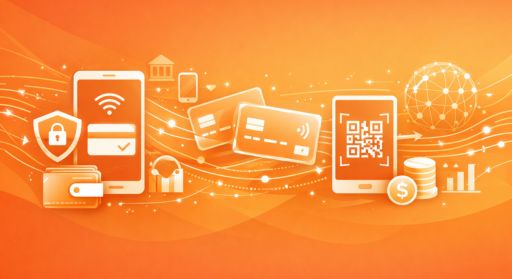
Many people still wonder how digital tools are changing the way we handle cash. The shift toward a digital-first world isn’t just about convenience; it is a fundamental change in how money moves through our society.
Fintech accelerates a cashless economy by replacing physical currency with digital transaction frameworks like UPI, mobile wallets, and peer-to-peer lending platforms. These innovations reduce the cost of handling cash, provide a verifiable data trail for every transaction, and enable instant credit access, which encourages businesses and individuals to abandon traditional cash-heavy habits.
Why Is Digital Lending the Secret Driver of Cashless Habits?
Digital lending acts as a powerful catalyst for a cashless society because it creates a cycle of electronic data. When a borrower receives a loan digitally and repays it through an app, they are naturally pulled away from physical currency.
- Building a Digital Footprint: In a cash-based world, small business owners often lack a credit history. Fintech platforms solve this by analyzing digital transaction data rather than just looking at paper documents.
- Speed and Accessibility: Traditional bank visits are being replaced by 100% digital onboarding.
- Verified Borrower Profiles: Modern platforms use hundreds of data points to verify the creditworthiness of a borrower, ensuring the ecosystem remains stable without needing a single physical handshake.
For instance, P2P lending fintech platforms like LenDenClub are facilitating millions in disbursements through a completely paperless process. By connecting lenders directly with borrowers, platforms like LenDenClub ensure that capital stays within the digital ecosystem from the moment it is disbursed to the moment it is repaid.
How Do Mobile Wallets and UPI Reduce Cash Dependency?
The rise of the Unified Payments Interface (UPI) has been a game-changer for the economy. It allows for “speed of light” transactions that happen instantly between bank accounts. This eliminates the need for “change” at local shops and makes carrying a physical wallet optional.
When payments are this easy, the friction of going to an ATM disappears. This is where the synergy between payments and lending becomes clear. As more people use digital payments, fintech lenders can better see their cash flow. This data allows for more accurate risk assessment, meaning a borrower who uses digital payments frequently is more likely to get their loan application approved quickly.
What Role Does Peer-to-Peer (P2P) Lending Play?
P2P lending is a unique fintech innovation that decentralizes the lending process. It allows everyday individuals to act as lenders, providing credit to verified borrowers without the need for a traditional bank as a middleman.
- Diversification: Lenders can spread their capital across dozens or even hundreds of different borrowers to manage risk.
- Direct Impact: This model provides immediate liquidity to small businesses (MSMEs) that might be ignored by larger institutions.
- Transparency: Every rupee is tracked digitally, from the lender’s escrow account to the borrower’s bank account.
Such platforms utilize advanced AI to match lenders with the right borrowers. This technological layer ensures that the lending process is not only cashless but also highly efficient. By removing the physical barriers of traditional banking, these platforms make it possible for anyone with a smartphone to participate in the credit market.
How Does Fintech Improve Financial Inclusion in Rural Areas?
One of the biggest hurdles to a cashless economy is reaching the “unbanked” or underserved populations in rural regions. Fintech innovation bridges this gap through “assisted digital models” and mobile-first interfaces.
In many villages, a smartphone is now a more common sight than a bank branch. Fintech apps allow these users to apply for credit and receive funds directly into their accounts. This prevents the “leakage” that often happens with cash-based government aid or private loans. Because the entire cycle, from application to disbursement to repayment is digital, it fosters a culture of transparency.
By using 100% digital processes, these platforms help bring formal credit to those who previously had to rely on informal, high-interest cash lenders. This transition to formal digital lending is a massive step toward a sustainable cashless future.
Can Technology Really Replace Physical Cash Completely?
While a 100% cashless society might take time, we are already seeing “cash-light” environments. The transition is driven by three main factors:
- Trust: As cybersecurity improves and biometric authentication (like fingerprint or face ID) becomes standard, people trust digital apps more than a physical safe.
- Cost Efficiency: Handling physical cash is expensive for the government and for businesses. Digital money is cheaper to manage and harder to lose.
- Regulatory Support: Initiatives like the “Regulatory Sandbox” allow fintechs to test new ways of lending and moving money under the watchful eye of regulators, ensuring safety for all users.
The move toward a cashless economy is no longer a “trend”, it is a structural shift. Whether it is through instant UPI payments or participating in P2P lending, the tools we use today are making physical notes less relevant every day.