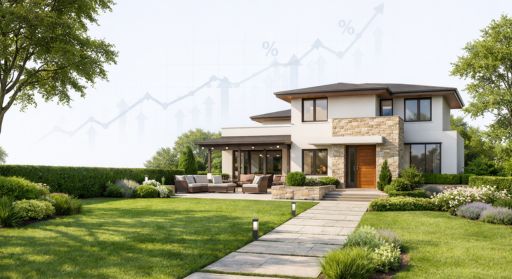
Most homeowners think of landscaping as a cosmetic upgrade. Something you do because the yard looks tired, or because the neighbors just redid theirs. But the data tells a different story. Residential landscaping consistently ranks among the highest-ROI home improvements you can make, often outperforming kitchen and bathroom renovations on a percentage-return basis.
I’ve spent a lot of time looking at what actually moves the needle on property values, and landscaping keeps showing up in ways that surprise people.
What the Research Actually Shows
The National Association of Realtors (NAR) puts the recovery value of a standard landscape maintenance project at 104%. That means for every dollar spent, homeowners recoup $1.04 at resale. Their 2023 Remodeling Impact Report found that landscape maintenance had the highest Joy Score among outdoor projects, at 9.8 out of 10.
Compare that to a minor kitchen remodel, which typically recovers around 75-80% of costs. Or a bathroom addition, sitting at roughly 60-70%.
Virginia Tech research published in the Journal of Environmental Horticulture found that a well-designed landscape can increase a home’s value by 5.5% to 12.7%. On a $500,000 property, that’s $27,500 to $63,500 in added equity from work that might cost $15,000 to $30,000.
That’s not a rounding error. That’s a real wealth-building move.
Curb Appeal Isn’t Just a Buzzword
There’s a practical mechanism behind these numbers. Real estate agents have known for decades that buyers make snap judgments within seconds of seeing a property. A University of Texas at Arlington study found that homes with quality landscaping sold an average of six weeks faster than those without it.
Speed matters. Every month a property sits on the market costs the seller in carrying costs, mortgage payments, taxes, and stress. Selling faster doesn’t just feel better. It protects your bottom line.
The American Society of Landscape Architects reports that 90% of real estate agents recommend sellers invest in landscaping before listing. Not because it’s trendy, but because it works. Buyers are willing to pay 10-15% more for a home with mature trees and a professionally designed outdoor space.
Which Projects Deliver the Best Returns
Not all landscaping investments are created equal. Here’s where the money actually goes furthest:
Hardscaping (patios, walkways, retaining walls): These structural elements tend to deliver the strongest returns because they add usable square footage to the property. A well-built paver patio effectively extends the living space of a home. The cost-to-value ratio on quality hardscaping typically lands between 100-150%.
Mature trees: According to the USDA Forest Service, a single mature tree can add $1,000 to $10,000 to a property’s value depending on species, location, and size. Trees also reduce energy costs by 15-35% through natural shading, which makes the home cheaper to operate year-round.
Professional design and installation: DIY landscapes rarely achieve the same ROI as professionally planned ones. The difference comes down to plant selection, grading, drainage, and long-term maintenance planning. Companies like Montreal Paysagement Pro understand that a landscape has to function well across seasons to maintain its value, which is especially critical in climates with harsh winters.
Outdoor lighting: A relatively low-cost addition that dramatically changes how a property presents during evening showings. Landscape lighting projects typically cost $2,000-$5,000 and can boost perceived property value by 20% according to multiple industry surveys.
The Hidden Financial Benefits
Beyond resale value, residential landscaping generates ongoing financial returns that don’t show up in a simple ROI calculation.
Energy savings are significant. Strategically placed trees and shrubs reduce heating costs in winter by blocking wind and lower cooling costs in summer through shade. The Department of Energy estimates that proper landscaping can cut air conditioning needs by up to 50% in some cases.
There’s also the insurance angle. Properties with good drainage, proper grading, and healthy root systems experience less water damage and foundation issues. These aren’t glamorous benefits, but they’re the kind of thing that saves you $10,000 on a foundation repair you never had to deal with.
And in a competitive housing market, landscaping is one of the few upgrades that appeals to virtually every buyer demographic. A renovated kitchen might not match someone’s taste. A beautiful, well-maintained yard is universally attractive.
Timing and Market Considerations
The best time to invest in landscaping is well before you plan to sell. Plants need time to establish, hardscaping needs a season to settle, and the full visual impact of a landscape design often takes 2-3 years to mature.
That said, even short-term investments pay off. Fresh sod, clean mulch beds, and pruned shrubs can cost under $3,000 and shift buyer perception significantly. It’s one of the cheapest ways to reframe how people see a property.
For investors and homeowners thinking about where to put their next improvement dollar, the data is clear. Landscaping isn’t just about making things look nice. It’s a financial decision with measurable returns, lower carrying costs, and faster sales cycles.
The yard isn’t a cost center. It’s one of your best-performing assets.