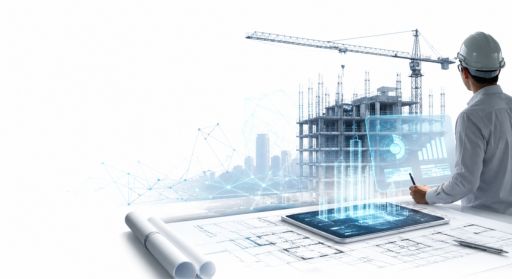
AI has been changing many industries throughout the world, and construction is no different. Although AI is limited in its application for construction companies, many are finding it very useful behind the scenes.
Construction companies are increasingly making use of a construction management platform that integrates the use of AI in their systems to keep track of data and help keep on top of information, and this is where AI and its attached systems are helping change how their planning is done.
Since the main benefits of AI, at least for now, are back-end, it can be hard to see how it is changing how construction companies plan their projects, and although the differences aren’t revolutionary, they are making a big difference.
By changing how information is collected, stored, and understood, here are 3 different ways AI is helping shape the future of construction project planning.
1. Improving Forecasting Accuracy
Although companies try to be specific, clear, and thorough with forecasting when it comes to project costs and time frames, it isn’t always easy. Poorly kept data from previous projects makes forecasting tougher. Inability to find relevant information and understand it quickly creates inaccuracy. The bigger a company is, the bigger this risk becomes.
Inaccurate forecasts prevent businesses from planning properly. Businesses can find themselves underfunded and pushing against an impossible deadline. As these problems persist across projects, companies can start to lose reputation. With projects consistently missing deadlines and requiring repeated increases in funding, future clients might choose competitors.
AI helps collect, sort, and present information. This simplifies the company’s research and ensures that key information is given when making the forecasts. It can also help by giving ideas of potential needs and highlighting potential high-risk sections of the plan. This forward thinking, combined with easier-to-understand data taken from records, means that forecasts can be made with a clearer picture, increasing their accuracy in the first place.
2. Enhancing Resource Allocation and Planning
One of the largest considerations for businesses when making their plans is what resources they have, and where they should go. Without fully understanding what resources a project has to work with, or an accurate projection of where they will be needed, heightens the risk of ineffective and wasted resources.
Inefficient and poorly allocated resources can delay projects. Delays and drive up the costs the longer they go on. Both delays and increased costs can be damaging to a company’s margins and reputation. Getting this wrong can be particularly risky as the problems won’t become visible straight away. This lack of awareness means that fixing it takes longer, increasing any potential damage.
AI is helping not just improve original allocation accuracy, but also ongoing support and analysis. By studying the plans and understanding what resources exist, AI can be used to define and direct workflows. Using it in an ongoing fashion means that management can be alerted to potential bottlenecks and issues, meaning that responses happen faster and their effects are limited.
3. Increasing Planning Visibility
Project planning can only be done with the information a company has available. If they are relying on fragmented systems and split platforms, information can be hard to find. It also means that projections and planning can be slow and incomplete, meaning that any action taken on these plans can themselves be flawed.
Making plans with such data can lead to multiple other issues. Overestimation or underestimation of capacity can be damaging to the finances of a project. Poor visibility can cause delays as teams chase information, and it also means that projects can be exposed to issues that should have been prevented.
AI is being used to collect and organize data flows. By utilizing this automation, data becomes easier to keep and easier to understand. This clarity and comprehensive nature mean that planning is transparent and people know what is going on, making it easier for managers to build and execute their plans.
How This Changes Modern Construction
AI won’t change the front line of construction. People will still be needed to make the plans and execute them. But as its use is becoming more accessible, and combining with developing management systems, AI is giving businesses the power to improve their understanding of how their processes are working.
As the cost of operation continues to increase, margins are getting tighter. Businesses that continue to rely on outdated practices are at risk of losing more money. The best way to avoid pressure is to ensure that project planning begins with accuracy and clarity, and this is where AI is starting to shine.
However, AI is limited to the information it is given, and so AI works best when combined with solid business practices. When it is paired with good record-keeping practices and clearly defined expectations, it can make planning easier.