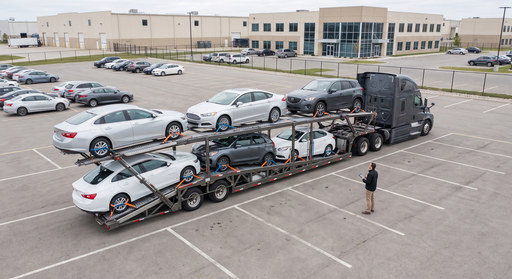
Walk into almost any busy dealership during peak hours and you’ll likely witness a familiar scene. A customer is ready for a test drive, but the salesperson can’t find the vehicle key. Someone recalls handing it to another department; another employee thinks it’s in the service lane. Minutes pass before the key finally turns up.
While this may seem like a minor inconvenience, these moments happen every day in dealerships across the industry. They interrupt sales appointments, delay service work, and create unnecessary frustration for both employees and customers.
As dealerships continue investing in digital retailing, CRM platforms, and customer experience initiatives, many are beginning to realize that operational efficiency also depends on improving the smaller processes that happen behind the scenes. Vehicle key management is one of them.
Why Traditional Key Management Still Creates Problems
Despite major advances in dealership technology, many businesses still manage keys using pegboards, drawers, handwritten logs, or informal handoffs between employees.
These methods may have worked years ago, but today’s dealerships operate in a much faster environment. Sales, service, detailing, inventory, and management teams all need access to the same vehicles throughout the day. Without a clear system for tracking keys, confusion becomes inevitable.
The result is more than misplaced keys. Employees often spend valuable time searching for vehicles, asking coworkers who last checked out a key, or interrupting other departments to locate customer vehicles.
When this happens repeatedly throughout the day, small delays begin adding up across the entire operation.
The Hidden Cost of Lost and Misplaced Keys
The financial cost of replacing modern vehicle keys is significant. Depending on the manufacturer, a replacement smart key can cost between $250 and $700.
The larger expense often comes from lost productivity. Every minute spent looking for a key is time that sales consultants are not assisting customers, service advisors are not moving repairs forward, and technicians are waiting instead of working.
These interruptions can affect:
- Test drive scheduling
- Service turnaround times
- Technician productivity
- Vehicle inventory movement
- Customer satisfaction
- Employee accountability
Unlike equipment failures or staffing shortages, these inefficiencies are often accepted as part of daily dealership life, even though they are largely preventable.
Why More Dealerships Are Moving Toward Digital Key Management
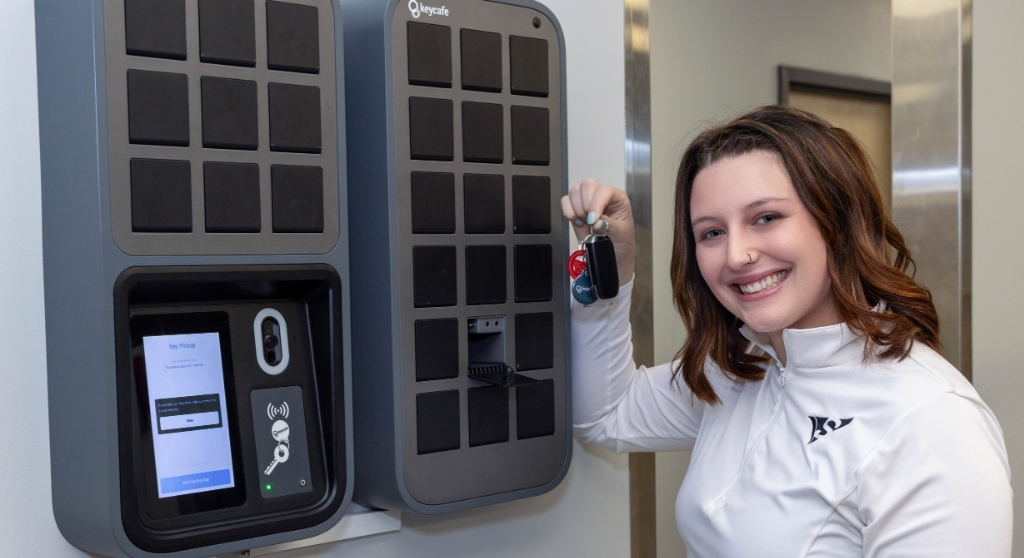
To reduce these operational challenges, many dealerships are replacing manual tracking methods with digital key management systems.
Rather than storing keys on open boards or inside unlocked cabinets, digital systems secure them inside electronic lockers that require employee authentication before access is granted.
Several providers now offer these types of solutions, though they vary in capabilities. For example, systems like Keycafe combine secure key storage with digital access controls and automated activity logs, allowing dealerships to see who accessed a key, when it was checked out, and when it was returned. This reflects a broader trend toward improving operational visibility and accountability across all dealership departments.
Each key pickup and return is automatically recorded, creating a digital history of vehicle access. Managers no longer need to rely on handwritten sign-out sheets or verbal updates to understand where keys are located.
This increased visibility benefits multiple departments simultaneously.
- Sales teams can locate vehicles more quickly before customer appointments.
- Service advisors can confirm that customer keys are available before repairs begin.
- Detail departments know when vehicles are ready for preparation.
- Inventory managers can better coordinate vehicle movement across the lot.
Instead of relying on memory or manual processes, dealerships gain a more consistent and transparent workflow.
What Dealership Leaders Should Look For
Not every dealership has the same operational needs, but there are several capabilities worth considering when evaluating a digital key management solution.
A well-designed system should provide:
- Secure employee authentication
- Automatic records of every key checkout and return
- Real-time visibility into key locations
- Permission controls for different departments
- Easy access for authorized employees without slowing daily operations
- Scalability as inventory and staff grow
The goal isn’t simply to prevent lost keys. It’s to reduce unnecessary interruptions so employees can spend more time serving customers and less time tracking down vehicles.
A Real-World Example: Al Packer Ford
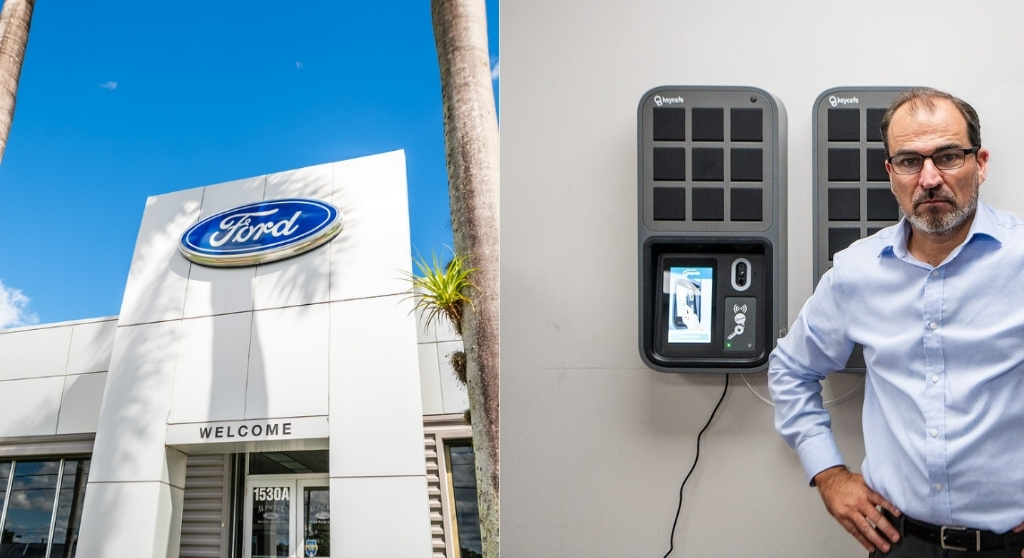
Al Packer Ford in West Palm Beach, Florida, is one dealership that has shared the impact of modernizing its key management process.
Before modernizing its approach, the dealership reported spending nearly $9,000 every year replacing lost key fobs. While the replacement costs were significant, dealership leadership also recognized the operational inefficiencies created when employees couldn’t quickly determine where vehicle keys were located.
After implementing a digital key management process, the dealership reported noticeable improvements in accountability, visibility, and day-to-day coordination between departments. Staff spent less time searching for keys, managers gained clearer records of vehicle access, and overall workflow became more predictable.
The experience illustrates an important point: the greatest return often comes not from replacing fewer keys, but from eliminating the daily friction that slows dealership operations.
Small Operational Improvements Can Have a Big Impact
Modern dealerships invest heavily in technologies designed to improve customer engagement, streamline financing, and simplify vehicle purchasing. Yet operational bottlenecks behind the scenes can still undermine those investments.
When employees repeatedly stop what they’re doing to locate vehicle keys, productivity suffers across multiple departments. Even short delays can compound over dozens of customer interactions each day.
Improving key accountability may seem like a relatively small operational change, but it can support broader business goals by helping dealerships:
- Reduce unnecessary downtime
- Improve coordination between departments
- Create greater accountability
- Deliver faster customer service
- Reduce avoidable replacement costs
- Support a more consistent employee workflow
As dealerships continue modernizing their operations, attention is increasingly shifting toward the everyday processes that influence efficiency just as much as customer-facing technology.
Vehicle key management may not be the most visible part of dealership operations, but it helps keep sales appointments on schedule, service departments moving efficiently, and employees focused on delivering a better customer experience.
Sometimes, improving operational performance starts with solving one of the industry’s oldest daily frustrations: knowing exactly where every vehicle key is when it’s needed.