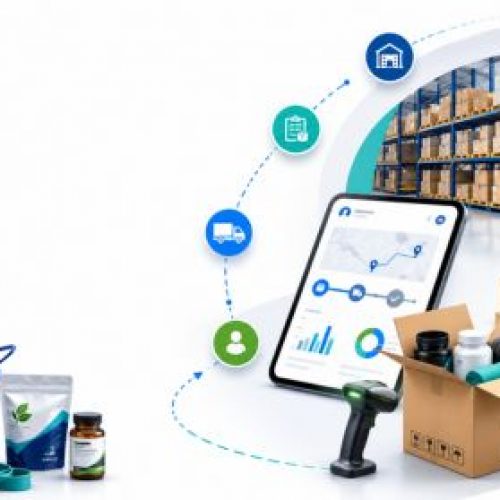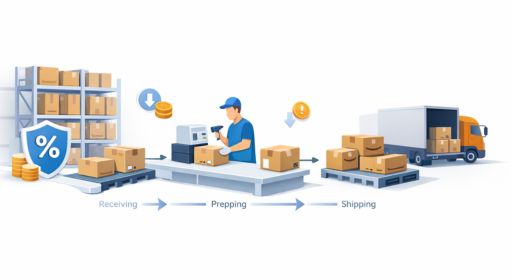
Amazon sellers spend plenty of time thinking about ad costs, storage fees, and margins. They study product rankings, watch return rates, and try to keep inventory moving without tying up too much cash. Yet one of the more practical ways to lower fulfillment costs often gets overlooked entirely. It is not a flashy tactic. It is not a software trick. It is a warehousing decision. More specifically, it is the decision to work with a fulfillment partner operating from a state tax-exempt warehouse environment while also handling the hands-on prep work Amazon requires. For sellers trying to scale without getting buried in avoidable costs, that setup changes the economics in a very real way. 1. Tax savings start before the box ever reaches Amazon A lot of sellers think fulfillment costs begin with shipping labels and Amazon fees. In practice, those costs start much earlier, when inventory is received, stored, sorted, labeled, bundled, and prepared for outbound movement. That is where location matters. A tax-exempt warehouse model gives sellers a chance to reduce state sales tax exposure on inventory storage and distribution, depending on how their operation is structured. For brands moving meaningful volume, that can create real savings over time. That detail matters more than many sellers realize. A lower operating base does not just save money on paper. It creates room for healthier margins, more flexible pricing, or more reinvestment into inventory and growth. 2. FBA prep services turn a warehouse into a working cost-control system A warehouse only saves money if it also helps inventory move correctly and efficiently. That is where fba prep services become part of the strategy rather than a separate expense. Amazon requires sellers to meet specific prep and compliance standards. Items need to be inspected, labeled, packaged properly, and sent into the network in a format Amazon accepts. A good prep partner is not just adding labor. It is reducing mistakes, delays, rejected shipments, and rework. The strongest providers build that into one workflow, such as handling inspection, packaging, labeling, bundling, insert removal or addition, and protective prep such as poly bagging or bubble wrapping, all in one place. They emphasizes Amazon-compliant processes, scalable operations, and direct forwarding into Amazon’s fulfillment network. That combination is what makes the model attractive. Sellers are not paying one vendor for storage, another for prep, and then losing time coordinating both. They are simplifying the path from inbound inventory to Amazon-ready shipment. 3. The real benefit is fewer hidden fulfillment leaks Most fulfillment waste does not show up as one dramatic charge. It shows up in small leaks that add up fast. A seller sees: extra labor from relabeling inventory chargebacks tied to compliance mistakes delayed check-ins from poorly prepared shipments returns linked to packaging damage staff time lost coordinating multiple vendors freight inefficiencies from fragmented handling None of these feels unusual on its own. Together, they chip away at profit every month. A warehouse partner that receives, inspects, labels, bundles, and stages products for Amazon in one facility reduces handoff points. Fewer handoffs usually mean fewer errors. That is one reason integrated 3PL models tend to feel smoother for growing brands. A partner to look for highlights quality control inspections, SKU-level prep steps, and rapid turnaround, typically within 24 to 48 hours depending on volume and complexity. It also notes short-term and long-term storage with real-time visibility and low-stock alerts. That kind of visibility matters because fulfillment problems are rarely cheap once they become urgent. 4. Amazon sellers often outgrow DIY prep before they admit it Many brands start by doing prep in-house. At the beginning, that makes sense. Founders want control. Volume is manageable. The business still feels close enough to touch. Then growth changes the math. The same team that once packed a few cartons now has to manage pallet receipts, labeling standards, bundle assembly, storage, reorder timing, freight coordination, and Amazon compliance windows. At that point, in-house prep stops being lean and starts becoming distracting. This is where outsourced prep becomes less about convenience and more about discipline. A strong prep operation gives sellers: a repeatable receiving process consistent product inspections organized labeling and packaging workflows faster turnaround into Amazon or FBM channels more time to focus on purchasing, marketing, and sales A good partner will position its FBA and FBM offering as scalable for sellers handling anything from small shipments to very large unit counts, with integrations tied to Amazon Seller Central and other software tools. That matters because the goal is not to remove visibility from the seller. It is to remove chaos. 5. The warehouse strategy works best for sellers with complex inventory Not every Amazon business has the same needs. Some ship simple, single-unit products with minimal prep. Others deal with fragile items, multi-packs, kits, inserts, seasonal promotions, or SKU variations that create a lot more handling work. Those are the sellers who often feel the biggest difference from a tax-advantaged, prep-focused warehouse model. Complex inventory creates friction. It demands more labor, more quality checks, and better organization. If those tasks happen in a facility designed for that work, the operation runs cleaner. If they happen in a cramped back room or through a patchwork of vendors, costs rise fast. This is especially true for sellers that need: Bundling and multi-pack preparation A prep services partner specifically notes in-house bundling, multi-pack creation, kitting, and custom packaging support for ecommerce and wholesale workflows. Amazon compliance support The company also emphasizes FNSKU, UPC, and custom labeling, along with compliance-focused prep intended to avoid delays and penalties. Storage plus distribution in one place Its broader 3PL offering includes inventory management, pick-pack-ship support, freight coordination, and nationwide distribution from a strategically located facility. For sellers juggling these moving parts, the warehouse itself becomes part of the margin strategy. 6. Freight savings improve when prep and warehousing are aligned Fulfillment costs are never just about what happens inside the building. Freight plays a major role too. When prep is disconnected from warehousing,

The Numbers Behind Residential Landscaping: Why It’s One of the Smartest Home Investments
Most homeowners think of landscaping as a cosmetic upgrade. Something you do because the yard looks tired, or because the neighbors just redid theirs. But the data tells a different story. Residential landscaping consistently ranks among the highest-ROI home improvements you can make, often outperforming kitchen and bathroom renovations on a percentage-return basis. I’ve spent a lot of time looking at what actually moves the needle on property values, and landscaping keeps showing up in ways that surprise people. What the Research Actually Shows The National Association of Realtors (NAR) puts the recovery value of a standard landscape maintenance project at 104%. That means for every dollar spent, homeowners recoup $1.04 at resale. Their 2023 Remodeling Impact Report found that landscape maintenance had the highest Joy Score among outdoor projects, at 9.8 out of 10. Compare that to a minor kitchen remodel, which typically recovers around 75-80% of costs. Or a bathroom addition, sitting at roughly 60-70%. Virginia Tech research published in the Journal of Environmental Horticulture found that a well-designed landscape can increase a home’s value by 5.5% to 12.7%. On a $500,000 property, that’s $27,500 to $63,500 in added equity from work that might cost $15,000 to $30,000. That’s not a rounding error. That’s a real wealth-building move. Curb Appeal Isn’t Just a Buzzword There’s a practical mechanism behind these numbers. Real estate agents have known for decades that buyers make snap judgments within seconds of seeing a property. A University of Texas at Arlington study found that homes with quality landscaping sold an average of six weeks faster than those without it. Speed matters. Every month a property sits on the market costs the seller in carrying costs, mortgage payments, taxes, and stress. Selling faster doesn’t just feel better. It protects your bottom line. The American Society of Landscape Architects reports that 90% of real estate agents recommend sellers invest in landscaping before listing. Not because it’s trendy, but because it works. Buyers are willing to pay 10-15% more for a home with mature trees and a professionally designed outdoor space. Which Projects Deliver the Best Returns Not all landscaping investments are created equal. Here’s where the money actually goes furthest: Hardscaping (patios, walkways, retaining walls): These structural elements tend to deliver the strongest returns because they add usable square footage to the property. A well-built paver patio effectively extends the living space of a home. The cost-to-value ratio on quality hardscaping typically lands between 100-150%. Mature trees: According to the USDA Forest Service, a single mature tree can add $1,000 to $10,000 to a property’s value depending on species, location, and size. Trees also reduce energy costs by 15-35% through natural shading, which makes the home cheaper to operate year-round. Professional design and installation: DIY landscapes rarely achieve the same ROI as professionally planned ones. The difference comes down to plant selection, grading, drainage, and long-term maintenance planning. Companies like Montreal Paysagement Pro understand that a landscape has to function well across seasons to maintain its value, which is especially critical in climates with harsh winters. Outdoor lighting: A relatively low-cost addition that dramatically changes how a property presents during evening showings. Landscape lighting projects typically cost $2,000-$5,000 and can boost perceived property value by 20% according to multiple industry surveys. The Hidden Financial Benefits Beyond resale value, residential landscaping generates ongoing financial returns that don’t show up in a simple ROI calculation. Energy savings are significant. Strategically placed trees and shrubs reduce heating costs in winter by blocking wind and lower cooling costs in summer through shade. The Department of Energy estimates that proper landscaping can cut air conditioning needs by up to 50% in some cases. There’s also the insurance angle. Properties with good drainage, proper grading, and healthy root systems experience less water damage and foundation issues. These aren’t glamorous benefits, but they’re the kind of thing that saves you $10,000 on a foundation repair you never had to deal with. And in a competitive housing market, landscaping is one of the few upgrades that appeals to virtually every buyer demographic. A renovated kitchen might not match someone’s taste. A beautiful, well-maintained yard is universally attractive. Timing and Market Considerations The best time to invest in landscaping is well before you plan to sell. Plants need time to establish, hardscaping needs a season to settle, and the full visual impact of a landscape design often takes 2-3 years to mature. That said, even short-term investments pay off. Fresh sod, clean mulch beds, and pruned shrubs can cost under $3,000 and shift buyer perception significantly. It’s one of the cheapest ways to reframe how people see a property. For investors and homeowners thinking about where to put their next improvement dollar, the data is clear. Landscaping isn’t just about making things look nice. It’s a financial decision with measurable returns, lower carrying costs, and faster sales cycles. The yard isn’t a cost center. It’s one of your best-performing assets.

Best Dedicated Internet Providers for Businesses in Jamaica: 2026 Comparison and Expert Analysis
Choosing the right internet provider affects how efficiently your business operates, how reliably you serve customers, and how seamlessly you can scale operations across Jamaica. Dedicated internet access differs from shared residential connections by providing guaranteed bandwidth, stronger service level agreements, and priority support designed specifically for business requirements. Understanding which providers deliver true dedicated connectivity helps you avoid service disruptions, productivity losses, and the complications of switching providers as your business grows. This guide examines established providers offering dedicated internet services to Jamaican businesses, the specific advantages these connections provide, and the essential factors you should evaluate before committing to a provider and service plan. 1) Digicel Business Fiber Digicel Business stands out as a leading provider of dedicated internet access for commercial customers across Jamaica. The company delivers fiber-based connectivity solutions designed specifically for businesses ranging from small operations to large enterprises. Their dedicated internet service offers guaranteed speeds and consistent bandwidth that your business can rely on. Unlike shared connections, you receive specific performance metrics including high availability and low latency. This ensures smooth operations even during peak usage times. Digicel Business packages typically include Service Level Agreements (SLAs) that guarantee uptime and performance standards. These commitments provide assurance that your internet infrastructure will support critical business functions without unexpected interruptions. The provider offers comprehensive solutions beyond basic connectivity. You can access mobile device management for employee phones, cloud services, security packages, and unified communications systems. This integrated approach allows you to consolidate multiple services under one provider, simplifying vendor management and potentially reducing costs. Digicel’s fiber infrastructure supports multi-site connectivity, making it suitable for businesses operating across different locations in Jamaica. 2) Logic Jamaica Fiber Logic Jamaica operates as an established telecommunications provider offering dedicated fiber internet services designed for business requirements. Their fiber infrastructure delivers symmetrical upload and download speeds, which matters when your operations involve cloud applications, video conferencing, or large file transfers. The company provides service level agreements with guaranteed uptime commitments. You get dedicated bandwidth that isn’t shared with residential users, ensuring consistent performance during peak business hours. Logic Jamaica’s business packages include static IP addresses and priority technical support. Their network architecture connects to multiple international bandwidth providers, reducing latency for companies that communicate with overseas clients or access international cloud platforms. Installation typically includes on-site assessment and professional setup by certified technicians. You can scale bandwidth as your business grows without requiring new infrastructure in most cases. The provider serves businesses across Kingston and major commercial areas in Jamaica. Their pricing structures vary based on bandwidth requirements and contract terms, with options for both short-term and multi-year agreements that include equipment and maintenance. 3) CaribNostra Telecom CaribNostra Telecom provides dedicated internet access designed specifically for business operations across Jamaica. Their service focuses on delivering symmetric bandwidth, which means your upload and download speeds remain consistent throughout the day. You get a direct fiber connection to your business location without sharing bandwidth with residential users. This dedicated infrastructure helps maintain stable performance during peak hours when other internet services typically slow down. CaribNostra offers service level agreements that include uptime guarantees and response time commitments. If your connection experiences issues, their technical support team provides direct assistance rather than routing you through multiple call centers. Their packages scale from 10 Mbps to 1 Gbps depending on your operational requirements. You can increase bandwidth as your business grows without changing providers or reinstalling infrastructure. The company includes static IP addresses with their dedicated internet packages. This feature supports businesses running their own servers, VPNs, or remote access systems that require consistent addressing. CaribNostra’s network infrastructure connects to multiple international internet exchanges. This redundancy provides alternative routing if one connection path experiences problems. 4) Softcom Jamaica Softcom Jamaica provides dedicated internet access solutions designed for businesses requiring consistent connectivity across the island. The company focuses on delivering symmetrical bandwidth options that support enterprise operations, remote teams, and bandwidth-intensive applications. Your business can access fiber-optic and wireless connectivity options depending on your location in Jamaica. Softcom offers service level agreements that define uptime guarantees and response times for technical support. This allows you to plan your operations with clear expectations about network availability. The provider supports businesses ranging from small offices to multi-location enterprises. You can scale your bandwidth as your needs grow without requiring complete infrastructure changes. Softcom’s technical team handles installation, configuration, and ongoing network management. Your account includes monitoring tools that track network performance and identify potential issues before they affect your operations. Softcom Jamaica also provides options for redundant connections if your business requires additional reliability measures. Their local presence means support teams understand Jamaica’s specific connectivity challenges and infrastructure conditions. Key Advantages of Dedicated Internet for Jamaican Businesses Dedicated internet access provides Jamaican businesses with exclusive bandwidth, consistent speeds, and enhanced security that shared connections cannot match. These benefits directly impact daily operations, customer service capabilities, and competitive positioning in Jamaica’s digital economy. Reliability and Uptime in Jamaican Markets Dedicated internet access guarantees fixed speeds and consistent performance regardless of network traffic. Your business receives exclusive bandwidth that isn’t affected by other users during peak hours, which is particularly important in Jamaica’s growing digital marketplace. Service level agreements (SLAs) accompany most dedicated connections, providing guaranteed uptime percentages and response times for technical issues. These agreements give you recourse when connectivity problems occur and demonstrate the provider’s commitment to service quality. Key reliability benefits include: Symmetrical upload and download speeds for video conferencing and cloud applications Consistent performance during high-traffic periods Guaranteed bandwidth allocation Priority technical support Your operations remain stable even as surrounding businesses increase their internet usage. This stability supports customer-facing systems, payment processing, and cloud-based applications that require constant connectivity. Business Growth and Scalability Dedicated internet scales with your business needs without requiring infrastructure overhauls. You can increase bandwidth as your team grows or as you add data-intensive applications. The fixed-speed guarantee means you can accurately plan technology investments and expansion initiatives. Your IT team can

Why Your Business Email Is Losing You Customers (And How to Fix It)
You spend money on ads. You invest in SEO. You build a great website. And then a potential customer reaches out, and they get a reply from a Gmail or Yahoo address. It sounds like a small thing. But for local service businesses, your email is often the first real interaction a lead has with your brand. And if that interaction doesn’t look professional, you’re losing trust before the conversation even starts. The truth is, most businesses do not lose customers because of bad products or services. They lose them through small, avoidable communication mistakes that add up over time, especially in email, where first impressions are made in seconds. The good news is that these mistakes are fixable. In this article, we will uncover the common reasons your business emails may be costing you customers and show you simple, practical ways to turn things around and start getting better responses, stronger engagement, and more conversions from every message you send. What Are Email Mistakes in Business Communication? Email mistakes in business communication refer to any error or oversight that reduces the effectiveness of your email in achieving its goal. These mistakes can occur in content, timing, tone, structure, or technical setup. The primary purpose of a business email is to communicate clearly, build trust, and prompt action. When any element interferes with these goals, it becomes a mistake. For example, sending an email without a clear purpose can confuse the recipient, while poor grammar or formatting can make your business appear unprofessional. Similarly, emails that are too aggressive in sales tone may push customers away rather than attract them. These mistakes are not always obvious, which is why many businesses continue to lose opportunities without realizing the root cause. Understanding the core concept helps you evaluate every email you send. Instead of just asking, “Did I send the email?” the better question is, “Did this email achieve its intended outcome?” If the answer is no, there is likely a mistake somewhere in the process. Email Mistakes Your Business Should Avoid To Stop Losing Customers 1. A Free Email Address Tells Customers You’re Not Serious According to GoDaddy, 75% of consumers say a custom domain email is critical to trusting a small business. That means three out of four potential customers are judging your credibility before they ever read what you wrote. When a potential patient or client sees an email from , nfo@yourbusiness.com versus yourbusiness2024@gmail.com, the message is completely different, even if the content is identical. What a professional email signals: Legitimacy. You’re an established business, not a side hustle operating out of someone’s garage. Investment. You care enough about your business to set up proper infrastructure. Consistency. Your email matches your website, your business cards, and your online listings, reinforcing brand recognition at every touchpoint. Pro tip: Set up role-based addresses like info@, appointments@, or billing@ in addition to personal ones. This signals organizational structure and makes it easy for customers to reach the right person. 2. Slow Responses Are Costing You More Than You Think Speed matters in local service businesses. A Harvard Business Review study found that companies responding to leads within the first hour were seven times more likely to qualify the lead than those who responded even an hour later. For most local businesses: dentists, plumbers, attorneys, med spas, the competition is one search result away. If someone emails your practice and doesn’t hear back quickly, they’re contacting the next option on the list. How to fix your response time: Enable mobile notifications. You or your team should see every inquiry the moment it arrives; not at the end of the day when you finally check your inbox. Use templates for common responses. New patient inquiries, pricing questions, appointment confirmations, pre-written templates cut response time from minutes to seconds. Set up auto-replies for after-hours inquiries. A simple “We received your message and will respond by [time]” keeps the lead warm until your team can follow up personally. Pro tip: Track your average response time for one week. Most practices are shocked to find it’s measured in hours, not minutes. That gap is where leads are going to your competitors. 3. Your Email Should Reinforce Your Brand – Not Undermine It Your email communication is an extension of your brand. If you’ve invested in a professional website through dental website design or any other web presence, your email experience should match that same level of quality. Too many local businesses treat email as an afterthought. No signature, no formatting, no consistency. Every email you send is a branding opportunity, or a branding liability. What branded email communication looks like: Professional email signatures with your name, title, phone number, website link, and business logo. Every message reinforces who you are. Consistent tone and formatting. Whether a front desk coordinator or the business owner is responding, the communication should feel like it’s coming from the same organization. Clean, readable messages. No walls of text, no all-caps subject lines, no Comic Sans. Formatting matters just as much in email as it does on your website. Pro tip: Create a simple email style guide for your team. Include approved signatures, tone guidelines, and templates for common scenarios. It takes an hour to set up and pays dividends for years. 4. Follow-Up Is Where the Revenue Lives Most local businesses send one response to an inquiry and then wait. If the lead doesn’t convert immediately, the opportunity dies in the inbox. The data tells a different story. Research from Marketing Donut shows that 80% of sales require at least five follow-ups, but 44% of salespeople give up after just one attempt. For local service businesses, a structured follow-up sequence can be the difference between a full schedule and empty appointment slots. A simple follow-up framework: Day 1: Respond to the inquiry within the hour. Answer their question, provide next steps. Day 2: Follow up if they haven’t replied. Reference their original question and offer to help. Day 5: Send

5 Effective Search Engine Optimization Strategies for Better Online Visibility
Getting your business noticed online is not easy. Many small businesses struggle to appear on search engines, even when they offer great products or services. This is where SEO services for small businesses can help. These services make it easier for people to find your website when they search online. If your website is not getting enough traffic, or you are not reaching the right audience, you are not alone. Many business owners face the same problem. The good news is that with the right approach, you can improve your visibility and bring in more customers. Below are five practical strategies used in SEO services for small businesses that can make a real difference. 1. Smart Keyword Research for Better Reach Keyword research helps you understand what your customers are searching for. Without it, your content may never reach the right people. Instead of guessing, focus on search terms that your audience actually uses. What you should focus on: Words your customers type into Google Search terms with steady traffic Keywords that match user intent For example, a local bakery should target phrases like “fresh cakes near me” instead of just “cakes.” Simple tips: Use tools like Google Keyword Planner Choose specific, long-tail keywords Add keywords naturally in your content Good keyword research is the first step in effective SEO services for small businesses. 2. Create Content That Solves Real Problems Many websites fail because they focus too much on selling and not enough on helping. Your content should answer questions and solve problems. Search engines prefer content that is useful and easy to understand. Focus on content that: Answers common customer questions Explains your services clearly Provides helpful tips or guidance Make your content easy to read: Use short paragraphs Add clear headings Break information into bullet points Updating your content regularly also helps. Fresh content shows that your website is active and relevant. This is why content plays a big role in SEO services for small businesses. 3. Improve Website Speed and Mobile Experience If your website is slow, visitors will leave quickly. A poor mobile experience can also drive users away. Most people now browse on their phones. Your website must work well on all devices. Common issues small businesses face: Slow loading pages Poor mobile design Hard-to-read text How to fix this: Compress large images Use a simple and clean design Make sure your site adjusts to mobile screens A fast and smooth website keeps users engaged and improves your search rankings. This is a key part of SEO services for small businesses. 4. Build Trust with Quality Backlinks Backlinks are links from other websites to your site. They show search engines that your website is trustworthy. But not all links are helpful. Low-quality links can harm your rankings. Focus on getting links from: Trusted websites in your industry Blogs and news sites Local business directories Ways to earn backlinks: Write guest posts Share useful content others want to link to Partner with local businesses Building strong backlinks takes time, but it is an important part of SEO services for small businesses. 5. Use Local SEO to Attract Nearby Customers Many small businesses depend on local customers. If people nearby cannot find you online, you are missing out. Local SEO helps your business show up in searches related to your area. What you can do: Add your city name to your website content Create and update your Google Business Profile Keep your contact details consistent Why this matters: People often search for services “near me” Local listings bring ready-to-buy customers Reviews help build trust Local SEO is one of the most effective parts of SEO services for small businesses, especially for shops, service providers, and local brands. Conclusion: Many small businesses struggle to grow online because they are not visible in search results. Investing in SEO services for small businesses helps solve this problem step by step. When you focus on: The right keywords Helpful content Fast website performance Strong backlinks Local search visibility You make it easier for customers to find and trust your business. SEO is not about quick results. It is about building a strong online presence over time. With the right effort, your website can bring in steady traffic and real business growth

6 Luxury Packaging Manufacturers for High-End Beauty Products
When you’re selling premium skincare or high-end cosmetics, the packaging tells half the story before anyone even opens the jar. The global luxury beauty market topped $60 billion in 2023, and packaging plays a huge part in why customers see your product as worth the price. Think about it: that box or bottle communicates quality, care, and brand personality at first glance. Finding the right packaging partner at this level isn’t easy, though. You need manufacturers who can nail premium finishes, work with sustainable materials, keep quality consistent, and offer reasonable minimums if you’re still scaling. This guide walks through six luxury packaging manufacturers for high-end beauty products, all verified for their credentials and capabilities. Each one brings something different to the table, so let’s break down what they offer. How to Select Top Luxury Beauty Packaging Manufacturers Research for this guide was completed in March 2025, using five key criteria to evaluate each manufacturer: Premium materials and finishes: Manufacturers needed to offer glass, specialist coatings, foiling, embossing, or sustainable premium substrates that fit luxury positioning. Custom design capability: Full structural and print design customization, not just surface-level logo slapping, was required. Sustainability credentials: Verifiable certifications like FSC, B Corporation, or Climate Neutral status were assessed to reflect rising consumer expectations. Minimum order flexibility: Low or tiered minimums were prioritized to serve both new and established luxury brands. Industry track record: Evidence of beauty, cosmetics, or personal care clients, along with relevant certifications or awards, was required. List of the Best Luxury Packaging Manufacturers for High-End Beauty Products Here are the six manufacturers reviewed in this guide: Arka Loadhog Durable Packaging International Amatech EcoEnclose Amcor Best Luxury Packaging Manufacturers for High-End Beauty Products Arka Founded: 2015; headquartered in San Francisco, California; founder Phillip Akhzar is a Y Combinator alumnus and sustainability expert Certifications: FSC Certified; Amazon Frustration-Free Packaging certified; Shopify integrated; Made in the USA Key Products: Custom mailer boxes, shipping boxes, and product boxes; sustainable and eco-friendly materials throughout Client Base: 2,000+ entrepreneurs, small businesses, and DTC brands served across e-commerce sectors Integrations: 40+ platform, logistics, and agency integrations; dedicated account representative assigned to every client Company Overview: Phillip Akhzar launched Arka in 2015 to give smaller brands access to the kind of premium custom packaging that usually requires massive order volumes. Manufacturing happens in the USA with FSC-certified materials, and the company holds Amazon Frustration-Free Packaging certification while integrating directly with Shopify. Serving over 2,000 clients, Arka keeps minimums low, offers self-service design tools, and assigns every client a dedicated account rep, making it a smart choice for beauty brands needing branded outer packaging without huge upfront commitments. Best For: Emerging luxury beauty brands seeking low-minimum, eco-certified custom outer packaging with fast turnaround and e-commerce integrations. Standout Feature: FSC Certified, Made in USA, and Shopify integrated, with a dedicated account rep for every client regardless of order size. Loadhog Founded: 2003; registered on 2 January 2003; headquartered in Sheffield, South Yorkshire, UK (The Hogworks, Hawke Street, Sheffield, S9 2SU) Scale: 120,000 sq. ft. manufacturing facility; 122 employees; operates from 3 strategic sites: UK, Europe, and US Awards: King’s Award for Enterprise (2021); Planet Mark Business Certification (carbon footprint measurement and reduction); member of Employee Ownership Association since founding Key Products: Returnable Transit Packaging, pallet lids, Apollo Tote, Autotote 64, Dolly Max Rolling Container System; minimum 30% recycled material used across product range Sustainability: 25% of annual turnover must come from products under 4 years old (internal KPI); plastic swap-out circular economy scheme; Living Wage Employer accredited Company Overview: Since incorporating in 2003 as an employee-owned business in Sheffield, Loadhog has built a global reputation for returnable transit packaging and logistics solutions. The company operates from a 120,000 sq. ft. facility that handles full design, development, and manufacturing, producing reusable pallet lids, totes, and container systems for retail, automotive, and postal industries. With the King’s Award for Enterprise and Planet Mark certification, Loadhog mandates at least 30% recycled content across its products and sets an internal KPI requiring 25% of revenue to come from products under four years old. Best For: Brands with high-volume logistics and supply chain needs requiring sustainable, reusable transit packaging at industrial scale. Standout Feature: Employee-owned King’s Award winner with ISO-certified manufacturing and a mandatory internal KPI requiring 25% of turnover to come from products developed within the past four years. Durable Packaging International Founded: 1944; fourth-generation family-owned business headquartered in Wheeling, Illinois, USA Scale: 500+ employees; 450,000+ sq. ft. across five facilities in the Chicagoland area; all products manufactured in-house Key Products: Aluminum foil bakeware, roasters, bake pans, serving trays, outdoor cookware, holiday containers, roll foil and sheets, round and oblong aluminum foil trays, sheet cake pans, burner and oven liners, wax and parchment paper rolls, deli paper, butcher and freezer paper, pinch bottom bags, square bottom bags Markets: Foodservice distributors, retail supermarkets, processors, restaurants, and commercial baking operations across the United States Expansion: In 2025, acquired state-of-the-art machinery to launch a new square bottom bag product line; in 2010 expanded into paper products including waxing, sheeting, and interfolding with printing capabilities Company Overview: Durable Packaging International has been manufacturing aluminium foil and paper packaging since 1944, growing into a fourth-generation family business with over 500 employees and 450,000 sq. ft. of production space spread across five Chicagoland facilities. Everything is made in-house at the Wheeling, Illinois location. The company supplies foodservice distributors, retail supermarkets, and commercial food processors with foil bakeware, holiday containers, serving trays, and a full paper goods line added in 2010. In 2025, new machinery enabled the launch of a square bottom bag product line. Best For: Foodservice operators and retailers needing high-volume, competitively priced aluminium foil and paper packaging from a long-established domestic manufacturer. Standout Feature: Over 80 years of family-owned manufacturing heritage with all production under one roof across 450,000+ sq. ft., from foil bakeware to paper goods, entirely in-house. Amatech Founded: 1989; founded by David Amatangelo; first US Patent awarded 1990 (Patent No. 4,948,039) for collapsible

How Fintech Innovation Is Accelerating the Cashless Economy
Many people still wonder how digital tools are changing the way we handle cash. The shift toward a digital-first world isn’t just about convenience; it is a fundamental change in how money moves through our society. Fintech accelerates a cashless economy by replacing physical currency with digital transaction frameworks like UPI, mobile wallets, and peer-to-peer lending platforms. These innovations reduce the cost of handling cash, provide a verifiable data trail for every transaction, and enable instant credit access, which encourages businesses and individuals to abandon traditional cash-heavy habits. Why Is Digital Lending the Secret Driver of Cashless Habits? Digital lending acts as a powerful catalyst for a cashless society because it creates a cycle of electronic data. When a borrower receives a loan digitally and repays it through an app, they are naturally pulled away from physical currency. For instance, P2P lending fintech platforms like LenDenClub are facilitating millions in disbursements through a completely paperless process. By connecting lenders directly with borrowers, platforms like LenDenClub ensure that capital stays within the digital ecosystem from the moment it is disbursed to the moment it is repaid. How Do Mobile Wallets and UPI Reduce Cash Dependency? The rise of the Unified Payments Interface (UPI) has been a game-changer for the economy. It allows for “speed of light” transactions that happen instantly between bank accounts. This eliminates the need for “change” at local shops and makes carrying a physical wallet optional. When payments are this easy, the friction of going to an ATM disappears. This is where the synergy between payments and lending becomes clear. As more people use digital payments, fintech lenders can better see their cash flow. This data allows for more accurate risk assessment, meaning a borrower who uses digital payments frequently is more likely to get their loan application approved quickly. What Role Does Peer-to-Peer (P2P) Lending Play? P2P lending is a unique fintech innovation that decentralizes the lending process. It allows everyday individuals to act as lenders, providing credit to verified borrowers without the need for a traditional bank as a middleman. Such platforms utilize advanced AI to match lenders with the right borrowers. This technological layer ensures that the lending process is not only cashless but also highly efficient. By removing the physical barriers of traditional banking, these platforms make it possible for anyone with a smartphone to participate in the credit market. How Does Fintech Improve Financial Inclusion in Rural Areas? One of the biggest hurdles to a cashless economy is reaching the “unbanked” or underserved populations in rural regions. Fintech innovation bridges this gap through “assisted digital models” and mobile-first interfaces. In many villages, a smartphone is now a more common sight than a bank branch. Fintech apps allow these users to apply for credit and receive funds directly into their accounts. This prevents the “leakage” that often happens with cash-based government aid or private loans. Because the entire cycle, from application to disbursement to repayment is digital, it fosters a culture of transparency. By using 100% digital processes, these platforms help bring formal credit to those who previously had to rely on informal, high-interest cash lenders. This transition to formal digital lending is a massive step toward a sustainable cashless future. Can Technology Really Replace Physical Cash Completely? While a 100% cashless society might take time, we are already seeing “cash-light” environments. The transition is driven by three main factors: The move toward a cashless economy is no longer a “trend”, it is a structural shift. Whether it is through instant UPI payments or participating in P2P lending, the tools we use today are making physical notes less relevant every day.

What Happens If Insurance Eligibility Is Not Verified?
Accurate insurance verification is all the more critical in the complex healthcare environment we face today, and it is not merely an administrative step but rather one that acts as a critical line of defence for both patient satisfaction and financial stability. Healthcare companies take unnecessary risks without verifying insurance coverage like a pro. The repercussions can cascade through the entire organisation: denied claims, compliance concerns, and more. In this blog, we will look at what can occur when confirmation of patient coverage is not obtained beforehand and why determining eligibility cannot be an afterthought for healthcare organisations but rather a key priority. Understanding Insurance Eligibility Verification Insurance eligibility verification is the procedure of making sure that the insurance policy of a patient is active and checking which services the policy covers. This includes verifying: Policy status (active or inactive) Covered benefits Co-pays, co-insurance, and deductibles Authorisation requirements Coverage limitations and exclusions The moment you miss this step or do it wrong, many of the clinical insurance eligibility errors may occur and harm the providers as well as the patients. 1. Claims Rejected for Not Covered If you skip verification, one of the immediate consequences can be claims denied for coverage reasons. However, if the patient’s policy is expired or if simply the policy does not provide the coverage for that particular service, the insurer declares the claim as rejected. Inactive coverage is another common reason a claim is denied, which occurs when: A patient switching insurances recently Coverage expired Informed insurance, but incorrect insurance submitted That service is not covered by the policy. Providers may provide services that the insurer will not pay for without confirming eligibility in advance. This leads to tedious rework and possibly lost revenue. 2. Eligibility-Related Claim Rejection An eligibility-related claim rejection is different from a denial. Most denials happen mid-claim process, typically as a result of incorrect or incomplete information. Common causes include: Mismatched patient details Incorrect policy numbers Missing group numbers Incorrect payer submission Although rejections may be fixed and resubmitted, they add unnecessary costs to the administrative burden and postpone reimbursement. 3. Revenue Loss in Medical Practice The most detrimental result, however, is practice revenue loss. Providers are often faced with challenges recovering payment when claims are denied or rejected for eligibility reasons. And if the insurer ends up not paying and the patient cannot or does not want to pay out-of-pocket, the practice could have to write off the balance as bad debt. This patient coverage verification failure can result in repeat appearances by the patient, leading to: Uncollected balances Increased write-offs Reduced cash flow Financial instability Even small disruptions in revenue can create big problems in operations for small and mid-sized practices. 4. Increased Accounts Receivable Days An increase in accounts receivable days represents how many days it takes for a practice to collect payments for provided services. When claims are either broken or delayed: Employees have to check into what happened with the claim. Correct the issue Resubmit the claim. Follow up as necessary Each one of those actions extends the time frame for reimbursement. A longer outstanding claim has an increased negative effect on the practice’s cash flow and operational effectiveness. 5. Front-End Billing Mistakes Eligibility verification is a crucial part of the front-end billing process. When it is skipped, front-end billing mistakes become more common. Examples include: Incorrect patient demographics Inaccurate insurance information Failure to identify prior authorisation requirements Wrong payer submission These errors originate at the registration stage but impact the entire revenue cycle. Making adjustments to front-end errors will require more time and effort than avoiding them from the start. 6. Billing Errors in Healthcare Well outside an enrolment issue, missed verification may cause larger-scale healthcare billing discrepancies. For example: Charging for non-covered services Incorrectly estimating patient responsibility Applying wrong co-pay amounts Miscalculating deductibles Such errors cause medical billing errors in healthcare and create friction in the trust between patients and the providers. Unsurprisingly, nothing annoys patients more than receiving an unexpected bill, since nobody—and let me repeat that, nobody—likes surprises. Describing job eligibility criteria clearly helps reduce confusion and introduces transparency. 7. Compliance Risks in Insurance Eligibility The healthcare industry has a multitude of regulatory requirements. Providers fail to verify a patient’s insurance eligibility, and this creates compliance risks in insurance verification. Providers are required to comply with all the guidelines and regulations provided by the payers. Submitting claims for services that are not covered or incorrectly coded may: Trigger audits Lead to penalties Result in fines Damage the organisation’s reputation Accurate eligibility checks help ensure that billing practices align with payer rules and healthcare regulations. 8. Patient Unhappiness with Billing & Lack of Trust Patients usually suffer when their eligibility isn’t confirmed, so if there is no payment from insurance, then there will be a large bill for the patient. The result could be: Dissatisfaction & complaints Billing disputes Delays in collection Bad reviews The patient wants to ensure that they’re getting the truth regarding what portion of the bill they’ll need to pay. So, patient coverage verification failure undermines that expectation, and when that happens, it deteriorates the patient-provider relationship. 9. Administrative Burden and Staff Burnout Billing teams have to do beast work due to insurance eligibility errors. Staff must: Investigate denials Contact payers Call patients Correct documentation Resubmit claims Making the same mistakes consumes time and energy and does not help productivity. This leads to staff burnout and low morale over time. Staff fix avoidable errors when they could be improving the strategy. 10. Risk of Bad Debt If coverage is deactivated and the affected patient cannot pay, the remaining cost may enter into bad debt. Such an incident can lead to a claim denial due to inactive coverage, which typically means a provider will go after patient collections. However, a patient could dispute the charge if he or she believes that the insurance was active at the time. It leads to collection difficulties and can damage the practice’s reputation.

What Is Specialised Bookkeeping for Real Estate?
More than just purchasing properties and slapping a tenant in them, managing a real estate portfolio is not easy. Consistent profits require a true understanding of where your dollars come from and where they go. Most investors use generic accounting methods which cannot accurately reflect the actual performance of each asset. This is the point at which specialised bookkeeping for real estate sets aside effort to follow. By tracking financials accurately and at the property level, owners and investors can analyse performance, keep costs in check, and make informed decisions that have a direct impact on ROI. Why Generic Bookkeeping Limits Real Estate ROI? General bookkeeping systems often result in partial data, wrongly classified expenses, and late reporting. It hampers efforts to tell which properties are working well for you (like stocking a touch of cash) and which are a drain on resources. Investors often lose track of their investments and miss early warning signs—such as increasing maintenance bills, falling rental yields, or a weak cash position—all of which can be picked up through real estate portfolio bookkeeping. Over time these blind spots can degrade ROI even when rental income looks stable. The solution to this need is where specialised bookkeeping comes in, which aligns financial reporting with the realities of property investment. Property Level Financial Visibility The most significant benefit to real estate investment bookkeeping is the property-level reporting detail. Investors no longer need to look at their finances as one BIG screen of a number; instead, they can look at income, expenses, and net returns aggregated for each asset. This clarity helps identify: High-performing properties worth expanding Rent Optimisation for Underperforming assets Properties that may be better suited for a sale or refinance Knowing precisely where profits are derived from allows investors to allocate capital and optimise ROI more effectively. Improved Cash Flow Management One of the major independent real estate portfolio’s lifeblood is cash flow. Bookkeeping for real estate investors only require tracking the rental income they receive, loan payments, operating expenses, and reserves—all of which must be tracked in a consistent manner. Specialised bookkeeping helps: Monitor rent collection patterns. Quick detection of late payments or vacancies Control operating expenses. Forecast future cash needs. Better cash flow visibility helps investors to avoid liquidity issues, be proactive on maintenance, and reinvest excess funds smarter, all of which lead to better returns. Appropriate Tracking of Costs and Expenses When you have several properties to manage, costs in real estate can add up fast. Expenses like repairs and maintenance, utilities, property management fees, and insurance could be overlooked or misallocated without proper categorisation. By tracking expenses by property and category, real estate bookkeeping allows you to keep an eye out for cost overruns and inefficiencies. Investors can then renegotiate vendor contracts, recalibrate maintenance plans, or re-evaluate management costs to safeguard margins. Controlling costs, in turn, helps drive one of the key components of ROI: net operating income (NOI). Smarter Tax Planning and Compliance We all know that for real estate, tax efficiency is a huge part of profitability. Individualised bookkeeping allows for accuracy in documentation for deductions, depreciation, and interest expenses, which provides tax relief and avoids compliance issues. Through organised real estate portfolio bookkeeping, the investors can: Maximise allowable deductions. Track depreciation schedules correctly. Prepare for audits confidently. Prevent failure due to reporting errors. Reduces tax liabilities, meaning you are left with more retained earnings, which contributes to ROI. Real-Time Real Estate ROI Tracking ROI measurement becomes a matter of guesswork in the absence of proper financial data. The ROI from real estate is only as accurate as your bookkeeping, and accurate bookkeeping can only be timely, reliable, and reflective of actual performance. This is where customised bookkeeping comes in with real-time metrics, including: Net operating income Cash-on-cash return Expense ratios Property-level ROI comparisons This allows investors to make data-based decisions, rather than assumption-based ones, and thus increase short-term performance while building portfolio value long-term. Better Decision-Making for Portfolio Growth Strategic decisions are easier when the financial records are clear and organised. Specialised bookkeeping for real estate helps to make smart decisions about purchases or refinancing and renovations, as well as diversification of the portfolio. Investors can confidently field questions such as What type of property provides the most return? Is now the time to buy new assets? In this instance, capital must be either reinvested and thus fully engaged in the economy or kept as reserves, with its attendant savings and interest. This enables investors to sustainably expand their portfolios without jeopardising their ROI. Long-Term Portfolio Stability Proper bookkeeping for real estate not only enhances immediate returns but also perennial value, for consistency and accuracy in bookkeeping builds stability. Having accurate financial records increases credibility, which aids lenders, partners, and investors who are more likely to provide you with the necessary funding and financing terms. This financial discipline protects portfolio value, mitigates risk and provides consistency of growth over time. Final Thoughts It is not just the real estate that you own; it will also help you to manage finances the better way. By tracking income and expenses accurately, keeping a healthy cash flow, staying far ahead of the taxman, and monitoring real estate tracking return on investment with confidence, real estate bookkeeping helps investors stay ahead of the curve. And if you manage many properties, real estate portfolio bookkeeping provides transparent financial information that enables stronger decisions and lasting success. Real estate investment bookkeeping allows the investor to safeguard assets while seeing gradual improvements in returns.

From Compliance to Confidence: The Role of Web Development in Data Privacy and Security
In today’s digital-first world, data is no longer merely a byproduct of online interactions – it is a core business asset that fuels analytics, personalization, and operational efficiency. At the same time, data carries significant risk. Users increasingly expect seamless, frictionless digital experiences, yet they also demand that their personal information is handled securely, transparently, and in compliance with privacy regulations. Navigating this balance between leveraging data for powerful experiences and managing its inherent risks is a primary challenge that a custom web app development company is equipped to solve. Failing to meet these expectations can result in immediate financial penalties, long-term reputational damage, and erosion of customer trust, all of which can impact revenue and market positioning. Modern web development must therefore move beyond basic compliance, embedding privacy and security into the architecture of every website and digital platform. This proactive approach ensures that security and user trust are not afterthoughts, but integral elements of design, development, and deployment. Why Data Privacy and Security Are Strategic Imperatives Data breaches and privacy violations make headlines, but the impact goes way beyond immediate costs. The real damage hits later – when customers lose trust and start leaving, directly hurting your revenue. While you’re dealing with the aftermath, all development and innovation grinds to a halt as your team focuses on damage control. That’s why building secure and privacy-focused systems from the start isn’t just a tech requirement – it’s a smart business investment in your company’s future stability and growth. Business Consequences of Poor Data Practices Financial Penalties. Non-compliance with regulations such as GDPR in Europe, CCPA in California, or other regional data protection laws can result in fines reaching millions of dollars per violation. Beyond regulatory costs, companies may face lawsuits, class-action claims, or contractual penalties from partners who rely on compliant data handling. Customer Churn. Users are highly sensitive to breaches or misuse of their data. Platforms that fail to protect information risk losing customers permanently, as even a single high-profile incident can prompt users to abandon the service in favor of competitors perceived as safer and more reliable. Brand Erosion. Trust, once lost, is extremely difficult to rebuild. A website or brand associated with poor data security can face long-term reputational damage, impacting customer perception, investor confidence, and employee morale. The negative sentiment often persists long after the immediate breach or violation has been resolved. Operational Disruption. Security incidents often trigger significant operational interruptions, from shutting down affected systems to investigating breaches and restoring compromised data. These disruptions not only slow business processes but also require substantial financial and human resources to remediate, delaying product releases, marketing campaigns, and customer support. Conversely, websites designed with privacy and security as foundational principles provide tangible business advantages. By embedding encryption, secure authentication, and data minimization directly into the platform, organizations can foster user trust, strengthen long-term loyalty, and create a differentiating competitive advantage. Users are more likely to engage with platforms they perceive as secure, share accurate information, and return for repeat interactions, enabling businesses to leverage data responsibly for personalization, analytics, and growth while maintaining compliance and ethical standards. Modern web development, therefore, is not only about functionality and performance but also about creating a secure, trustworthy environment where data becomes an enabler rather than a liability. Embedding Privacy and Security in Web Development Modern web development cannot rely solely on reactive measures such as post-breach patches or ad hoc security fixes. Instead, websites and applications must adopt a security-first mindset, embedding privacy and protection mechanisms directly into the design, architecture, and development lifecycle. This approach, often described as privacy by design, ensures that compliance, security, and user trust are integral to every feature, workflow, and interaction. Organizations that follow these principles can reduce risk, avoid costly retrofits, and create platforms where users feel confident sharing data. Core Principles Data Minimization. Only the data necessary to deliver functionality or a user experience should be collected. By limiting data collection, businesses reduce exposure to breaches, simplify compliance efforts, and minimize liability in case of a security incident. Encryption Everywhere. All data, whether in transit or at rest, should be encrypted. Implementing HTTPS, end-to-end encryption for communications, and secure storage protocols protects sensitive information from interception or unauthorized access. Secure Authentication. Robust authentication mechanisms, including multi-factor authentication, password hashing, and proper session management, prevent unauthorized access and protect user accounts against attacks such as credential stuffing or brute force attempts. Regular Audits and Penetration Testing. Continuous evaluation of systems through security audits, vulnerability scanning, and penetration testing identifies potential weaknesses before malicious actors can exploit them. Proactive testing reduces risk and informs necessary architectural improvements. Compliance Integration. GDPR, CCPA, and other regulatory requirements should not be an afterthought. Embedding compliance checks into development workflows ensures that data handling, consent collection, and user rights management are consistently enforced, reducing the chance of violations and fines. By integrating these principles early in the development process, companies can prevent technical debt, avoid emergency retrofits, and maintain scalable, secure systems that support long-term growth. Credential management is one area where this early integration pays off deploying a Psono password manager at the infrastructure level ensures that access controls are consistent and auditable from the start rather than patched in later. Privacy by Design: Transforming Compliance into Confidence Privacy by design shifts the focus from reacting to breaches or regulatory mandates to proactively building trust into digital platforms. By embedding privacy into user experience and system architecture, organizations create environments where users feel their data is respected and protected. User Consent Is Transparent. Websites and applications provide clear, understandable mechanisms for consent, explaining what data is collected, how it will be used, and how users can manage their preferences. Transparency strengthens trust and ensures compliance with legal frameworks. Defaults Favor Privacy. Default settings are configured to maximize user privacy, meaning that unless users explicitly choose otherwise, data collection and sharing are minimized. This principle reduces inadvertent exposure and aligns with user expectations. Data Lifecycle Management.