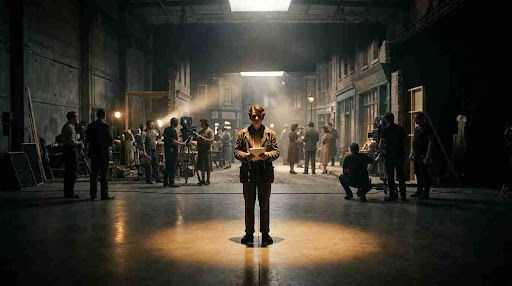
When it comes to creating professional-quality video content without a production crew, expensive equipment, or years of editing experience, most beginners face the same frustrating cycle: they try a tool, the output looks obviously AI-generated, they assume the problem is their skill level, and they abandon the attempt before figuring out that the problem was actually the workflow. I’ve been through that cycle myself, and I’ve watched it happen to creators and marketing teams who had legitimate use cases for AI video but picked the wrong entry point or applied the right tool incorrectly. The ai video generator that consistently brings beginners in Higgsfield from uncertainty to production-quality output fastest in my experience and from everything I’ve seen in the creator community is the Higgsfield platform. And the reason it works for beginners isn’t that it’s simpler than alternatives. It’s that it gives beginners the right kind of control from the start.
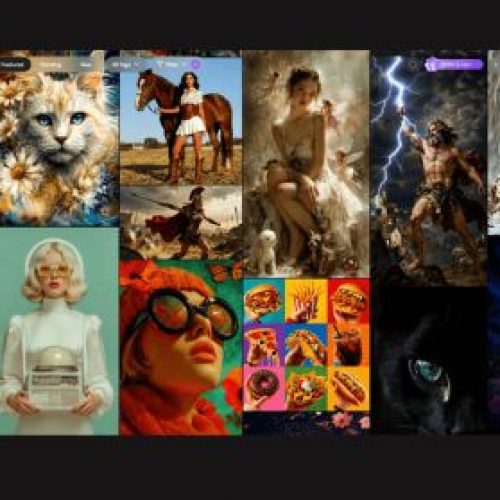
Higgsfield has positioned itself at the intersection of creative flexibility and cinematic quality, a platform that integrates over 50 AI models into a single workflow, with built-in camera movement controls, character consistency through its Soul ID feature, and prompt enhancement that converts basic beginner descriptions into detailed cinematic-friendly prompts automatically. The platform recently raised $130 million, with generative video explicitly framed as “marketing infrastructure” rather than creative experimentation which signals clearly what kind of output the Higgsfield AI Video Generator is built to produce and for whom.
This guide covers everything a first-time user needs to go from account creation to a production-ready video clip including the workflow decisions that determine output quality, the features beginners should prioritize, and the common mistakes that separate outputs that look professional from those that don’t.
Why Higgsfield Is the Right Starting Point for Beginners
Not all AI video platforms are the right starting point for people who are new to the medium. Some require technical familiarity with diffusion models. Some offer so much flexibility that beginners have no meaningful structure to work within. Some produce output that looks acceptable in demos but requires significant post-production experience to make publication-ready.
The ai video generator is designed around a different philosophy in Higgsfield: it acts as a creative control layer on top of powerful generation models, providing structured inputs reference images, start/end frame controls, motion style selection, and built-in prompt enhancement that guide beginners toward stronger outputs without requiring them to understand the underlying technical architecture.
From my experience testing multiple AI video platforms as a first-time user, Higgsfield’s onboarding experience produced my first genuinely usable output significantly faster than alternatives. The structured workflow rather than an open-ended text box reduces the guesswork that makes early AI video attempts frustrating.
Step 1 Setting Up Your Account and Understanding the Interface
The Higgsfield platform offers both a free tier and paid plans. Free users get access to the standard AI model, which is sufficient for learning the workflow and producing initial test outputs. Paid plans unlock premium model options including Kling 2.6, Seedream, Nano Banana Pro, and Veo model integrations along with higher resolution outputs and priority processing.
When you first log into the Higgsfield dashboard, you’ll find the primary video generation interface structured around a few core inputs rather than a complex timeline or multi-track editor. This is intentional and beginner-friendly: the interface prioritizes the inputs that most directly determine output quality your reference image, your prompt, and your motion style selection.
My first recommendation for beginners: spend your first session producing short test clips (3–5 seconds) rather than trying to generate finished content immediately. This gives you an understanding of how the ai video generator responds to different prompt structures in Higgsfield and reference image types before you commit time and credits to a full production run.
Step 2 Preparing Your Reference Image
The single most impactful quality decision a beginner makes on Higgsfield is the reference image they provide. The platform uses your reference image as the visual anchor for the entire video it’s how the ai video generator understands the subject, the visual style, and the starting composition of your clip.
A strong reference image for Higgsfield has specific characteristics: clear subject in the foreground, well-lit from the front or at a shallow angle, clean or simple background that doesn’t visually compete with the subject, and a composition that reflects the framing you want in your video.
You have two options: upload your own reference image or use Higgsfield’s built-in image generator to create one from scratch. For brand and marketing use cases product shots, spokesperson videos, lifestyle content uploading your own reference is almost always the better starting point because it anchors the generation in specific visual information that matches your brand’s existing assets.
I found that the quality gap between a strong reference image and a mediocre one was larger than the quality gap between a strong prompt and a mediocre one. Get the reference right first.
Step 3 Writing Your First Prompt
Higgsfield’s Prompt Enhance feature is one of the most beginner-friendly capabilities on the platform and one of the most important to understand before you start generating. When you enable Enhance, the ai video generator automatically converts your basic prompt into a detailed in Higgsfield, cinematic-friendly version that provides the model with more structured generation guidance.
For beginners, this means you don’t need to know how to write professional video generation prompts from day one. You can start with a description of what you want (“woman sitting at a desk reviewing documents, morning light, professional setting”) and let the Enhance feature develop it into a production-structured prompt before generation.
One important note from my experience: always review the enhanced prompt before generating. The Enhance feature adds specificity and detail, but it can occasionally add elements that don’t align with your vision. A quick review and edit of the enhanced version takes 30 seconds and prevents generations that drift from your intent.
Higgsfield Beginner Workflow: Quick Reference
| Step | Action |
Why It Matters |
|
1 |
Create account, explore free tier | Understand the interface before committing to paid |
|
2 |
Prepare a clean, well-lit reference image | Sets the visual anchor for entire clip quality |
|
3 |
Write a basic scene description | Describes what you want without over-engineering |
|
4 |
Enable Prompt Enhance, review output | Converts beginner description to cinematic prompt |
|
5 |
Select motion style | Determines how the scene moves key for realism |
|
6 |
Set start and end frames (optional) | Gives precise control over clip composition |
|
7 |
Generate 3–5 variations | Selection produces better results than accepting first output |
|
8 |
Evaluate for frame consistency and motion quality | Frame consistency is the primary quality signal |
|
9 |
Select strongest variation | Curate before downloading |
|
10 |
Export at appropriate resolution | Match output to publication channel requirements |
Pros and Cons: Higgsfield AI Video Generator for Beginners
|
Aspect |
Pros |
Cons |
| Ease of Use | Structured workflow guides beginners to strong outputs; Prompt Enhance removes technical knowledge barrier | Free tier model selection is limited; full feature access requires paid plan |
| Output Quality | 50+ model integrations produce wide range of quality options; cinematic camera movement controls | Premium model quality requires paid tier; first outputs may need iteration |
| Character Consistency | Soul ID feature maintains character identity across clips | Requires upfront character setup work |
| Pricing Model | Credit-based flexibility suits both casual and heavy users | Credits consumed based on resolution and model choice costs can accumulate for high-volume users |
| Beginners Learning Curve | Interface is structured and guiding rather than open-ended | Full feature depth (Canvas, agentic workflows) requires time to learn |
Step 4 Understanding Motion Style Selection
One of the features in Higgsfield that distinguishes the ai video generator from more basic platforms is the explicit motion style selection the ability to choose how the camera and scene move rather than leaving it entirely to model interpretation.
For beginners, this is enormously valuable because motion is one of the primary variables that makes AI video look real or fake. Generic, model-chosen motion often looks statistically plausible but physically unmotivated movement without the physical logic that real camera operation follows.
Higgsfield’s motion style controls let you specify: handheld movement (which reads as organic and natural), smooth tracking shots (which read as intentional and cinematic), static camera (which reads as locked-off and deliberate), and several other options depending on the scene context.
My team noticed that selecting a specific motion style rather than leaving it to model default consistently produced more professional-feeling output. It’s one of those settings that looks minor in the interface but has an outsized impact on whether the output reads as real or generated.
Step 5 The Soul ID Feature for Character Consistency
If your video production involves a recurring character a brand spokesperson, a series host, a product demonstrator the Higgsfield Soul ID feature is the most important tool in the platform for beginners to understand and use from the start.
Soul ID is Higgsfield’s character consistency architecture: it creates a persistent identity reference for a specific character that carries through multiple clip generations, preventing the character drift that makes multi-clip character series look incoherent. You establish a Soul ID from a reference image, assign it to a character, and use that identity anchor across every clip generation involving that character.
From my experience, teams that established Soul ID references before starting a character video series produced dramatically more consistent output than those who tried to manage character consistency through prompt descriptions alone. Set up your Soul ID references before your first generation session, not after you’ve discovered the drift problem.
Which Use Cases Is Higgsfield Best Suited For?
The ai video generator’s architecture and feature in Higgsfield set make it particularly strong for specific use cases that beginners should be aware of before they start:
Social media content Higgsfield is explicitly optimized for vertical, short-form social video. The platform’s motion controls, format options, and model selection are oriented toward the output quality and format requirements of TikTok, Instagram Reels, and YouTube Shorts.
Product and brand marketing reference image anchoring and Soul ID character consistency make Higgsfield a strong choice for product demonstration videos and brand spokesperson content.
Content creator workflows the integration of 50+ models in a single platform means creators can experiment with different visual styles without switching tools, which accelerates the learning curve significantly.
Agency and in-house marketing production the commercial licensing structure at paid tiers covers the client-facing and brand-published use cases that agency and in-house teams require.
For broader context on what Higgsfield has been building as a platform including its Soul Cinema tool, original series production capabilities, and how professional teams are using it to generate thousands of assets for full episodic productions Digital Trends’ coverage of Higgsfield’s platform evolution gives a useful third-party perspective on the depth of production infrastructure beginner users are stepping into.
Final Thoughts
The ai video generator is one of the most beginner-accessible professional-grade Higgsfield AI video platforms currently available not because it’s the simplest, but because its structured workflow guides new users toward the input decisions that actually determine output quality. Reference image quality, prompt enhancement, motion style selection, and Soul ID character consistency are the four pillars of a strong beginner workflow on the platform, and all four are accessible from the first session without requiring technical expertise.
From my experience, the gap between a beginner who produces frustrating, obviously AI-generated output and one who produces genuinely usable video content on Higgsfield almost always comes down to workflow understanding rather than platform capability. The tool is capable. The question is whether you’re providing the inputs it needs to produce great output.
Start with a strong reference image, use Prompt Enhance on your first several sessions, specify a motion style rather than leaving it to default, and set up your Soul ID references before you start any character-driven production. Those four practices, applied consistently from your first session, will put you significantly ahead of where most beginners find themselves after the first week of experimentation.
Ready to start with Higgsfield? Head to the ai video generator, set up your account, and run your first test clip. The learning curve is shorter than you think and the output quality ceiling is higher than most beginners expect.